
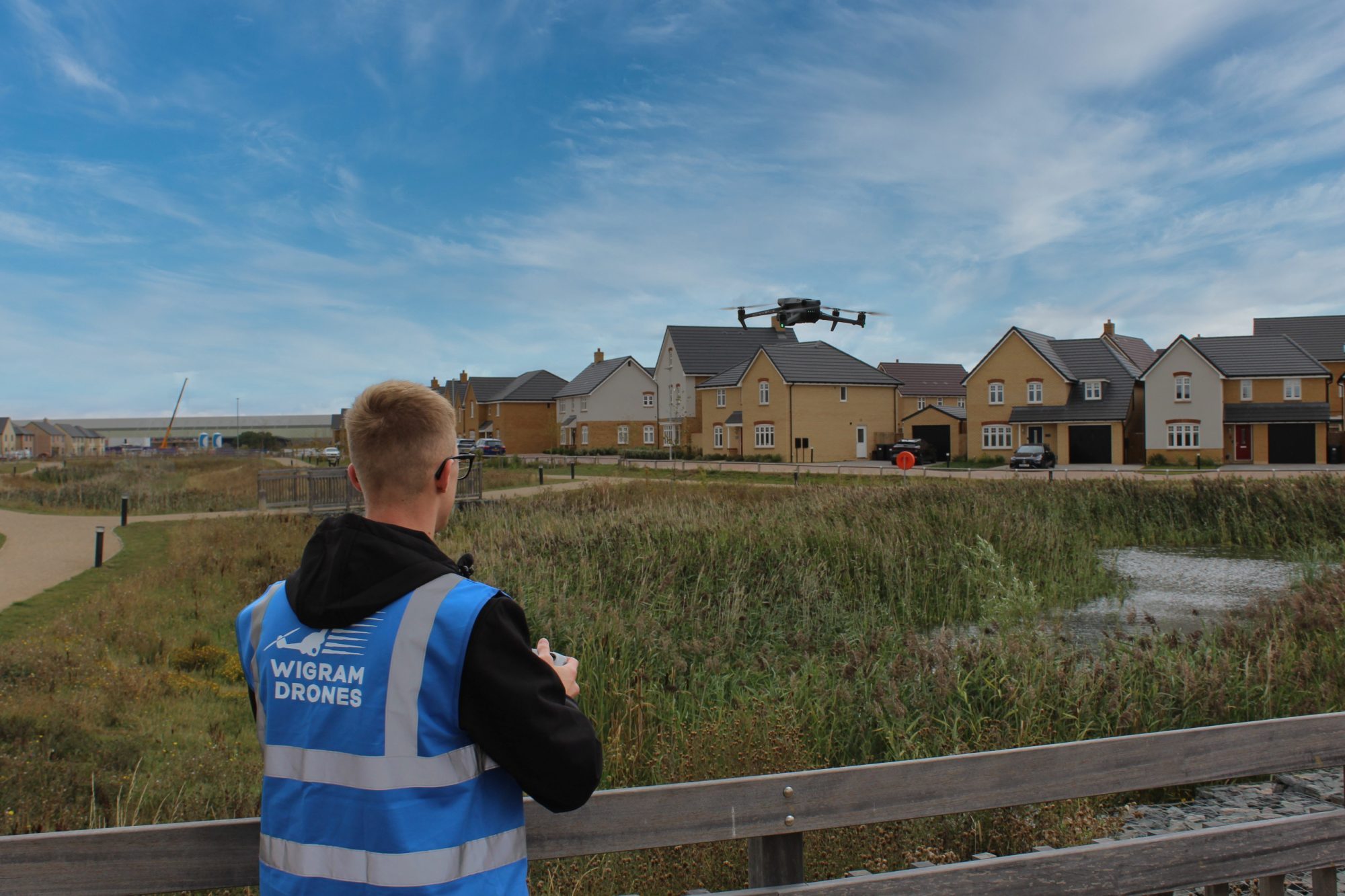
Property managers face constant pressure to maintain assets efficiently while controlling costs. Traditional inspection methods – ladders, scaffolding, multiple workers, and extended downtime – drain budgets and create safety risks. Drone inspection services offer a modern solution that cuts inspection time by up to 70 percent, reduces labor expenses, and delivers superior data accuracy. For property managers overseeing residential complexes, commercial buildings, or mixed-use properties, adopting drone technology isn’t just a competitive advantage – it’s becoming the industry standard.
By 2026, drone inspections are expected to be standard within property management companies and included in due-diligence reports, insurance assessments, and digital maintenance systems. This shift reflects a fundamental change in how properties are monitored, maintained, and valued. Understanding the cost benefits, regulatory requirements, and practical applications of drone inspections will help you make informed decisions that protect your assets and your bottom line.
Why Drone Inspections Deliver Real Cost Savings
The financial case for drone inspections is compelling. A recent Phoenix commercial project saved $2,000 per inspection by switching from traditional methods to drone-based assessments. These savings come from multiple sources:
Labor and Equipment Reduction
Traditional roof and facade inspections require workers to climb ladders, use scaffolding, or rent lifts – each adding significant expense. Drones eliminate this need entirely. A typical traditional inspection takes 6 hours and costs approximately $3,800, while a drone-based inspection completes the same work in 2 hours for around $1,800. This represents a 53 percent cost reduction per inspection.
For property managers with multiple buildings or frequent inspections, these savings compound quickly. If you manage 10 properties and conduct quarterly inspections, switching to drones could save you $80,000 annually compared to traditional methods.
Minimized Downtime and Operational Disruption
When workers access roofs or facades using traditional methods, they often disrupt tenant activities, require safety perimeters, and create liability concerns. Drones operate from the ground, eliminating these disruptions. In Las Vegas, a 2025 project saw site downtime cut by 60 percent thanks to drone inspection, allowing faster repairs and faster re-inspection after storms or maintenance work.
Reduced Insurance and Liability Costs
By keeping workers off heights and hazardous areas, drone inspections significantly reduce workplace injury risk. This translates directly to lower insurance premiums and reduced liability exposure. Property managers who adopt drone technology demonstrate proactive safety practices – a factor many insurers now reward with better rates.
Early Issue Detection Prevents Expensive Repairs
Drones equipped with thermal imaging and AI-powered analysis detect moisture intrusion, heat loss, foundation cracks, and corrosion before they become major problems. Catching a roof leak early costs hundreds to repair; ignoring it until structural damage occurs costs tens of thousands. The preventive value of drone inspections often exceeds their direct cost savings.
What Drone Inspections Can Cover for Your Properties
Modern drone technology captures far more than basic photographs. Here’s what property managers can assess with drone inspections:
Roof Conditions and Structural Integrity
High-resolution cameras and thermal imaging detect missing shingles, deteriorating flashing, standing water, and insulation issues. Drones can safely inspect steep roofs, complex geometries, and multi-story buildings that would require expensive equipment rentals with traditional methods.
Exterior Walls, Siding, and Facades
Drones identify cracks, corrosion, paint deterioration, and water damage on building exteriors. For high-rise properties, this capability eliminates the need for rope access specialists or expensive lift rentals.
Parking Lots and Driveways
Thermal imaging reveals subsurface issues like water infiltration and structural degradation beneath asphalt surfaces. This data helps prioritize maintenance and budget for repairs before failures occur.
Hard-to-Reach Areas
Chimneys, vents, balconies, and other difficult-access areas are easily inspected via drone. This is particularly valuable for older buildings or properties with complex architectural features.
Thermal and Moisture Analysis
Thermal cameras detect heat loss, insulation gaps, and moisture intrusion that the human eye cannot see. This data is invaluable for energy efficiency assessments and identifying water damage before it becomes visible.
Storm Damage and Post-Event Assessment
After severe weather, drones provide rapid damage assessment across entire properties, enabling faster insurance claims and prioritized repairs.
The Role of AI and Automated Reporting
The real power of modern drone inspections lies not just in the flight capability, but in AI-powered data analysis. Here’s what this means for property managers:
Automated Condition Grading
AI systems analyze roof imagery and automatically assign condition grades (excellent, good, fair, poor) based on visible damage patterns. This removes subjectivity and creates consistent, defensible assessments.
Instant Defect Detection
Machine learning algorithms identify cracks, corrosion, leaks, and other issues faster and more reliably than manual review. These systems flag problems that human inspectors might miss.
Predictive Maintenance Recommendations
AI analyzes historical data and current conditions to predict when components will likely fail. This enables proactive maintenance scheduling rather than reactive emergency repairs.
3D Mapping and Digital Twin Models
Drones create detailed 3D models of properties, enabling virtual walkthroughs, precise measurements, and year-over-year comparisons. Digital twins allow property managers to track asset degradation over time and plan long-term capital improvements.
Real-Time Reporting
Instead of waiting days for inspection reports, property managers receive comprehensive assessments within hours. This accelerates decision-making and maintenance planning.
Regulatory Requirements and Compliance
Operating drone inspection services legally requires understanding FAA regulations and local requirements. Here’s what property managers and drone operators need to know:
FAA Part 107 Certification
Anyone conducting commercial drone inspections must hold an FAA Remote Pilot Certificate under Part 107. This requires:
- Being at least 16 years old
- Passing an aeronautical knowledge test at an FAA-approved testing center
- Completing the FAA Airman Certificate and/or Rating Application (IACRA)
Drone Registration
All drones used for commercial purposes must be registered with the FAA. Registration costs $5 per drone and requires displaying the registration number on the aircraft.
Operational Limitations
Part 107 imposes specific operational rules:
- Drones must remain within visual line-of-sight of the pilot or visual observer
- Drones cannot be flown over people
- Maximum altitude is 400 feet above ground level
- Drones cannot operate at night without a waiver
- Operations in controlled airspace require prior authorization
Remote ID Requirements
As of January 2026, every drone above 250 grams must broadcast its location and identification. This requirement ended the previous grace period and is now fully enforced. Remote ID installation is mandatory for most drone categories.
Waivers and Exemptions
Businesses may apply for waivers to some Part 107 requirements if they can demonstrate safe operations. Waivers are often necessary for advanced inspections, such as flying beyond visual line-of-sight or operating at night.
Local and State Regulations
Beyond federal rules, Arizona, Nevada, California, and other states have enacted additional restrictions. Some municipalities require local permits or prohibit drone operations in certain areas. Property managers should verify local requirements before conducting inspections.
Data Privacy and Security
In 2026, Arizona and Nevada have stricter privacy laws regarding aerial data. All drone imagery and flight logs must be encrypted and stored securely. When sharing inspection data with stakeholders, use password-protected portals or secure cloud services. Always verify permissions for storing and distributing aerial content.
How Property Managers Can Implement Drone Inspections
Option 1: Hire Professional Drone Inspection Services
The simplest approach for most property managers is hiring professional drone operators. Services like those offered through https://wigramdrones.com handle all regulatory compliance, equipment, and reporting. Professional operators are FAA-certified, carry appropriate insurance, and deliver polished reports suitable for stakeholder presentations and insurance claims.
Professional drone inspection services typically cost $249–$499 per property, depending on size and complexity. While this represents an upfront expense, it’s still significantly cheaper than traditional inspection methods and eliminates liability concerns.
Option 2: Develop In-House Drone Capabilities
Larger property management companies might consider building in-house drone programs. This requires:
- Hiring or training FAA Part 107-certified pilots
- Purchasing appropriate drone equipment and software
- Establishing data management and security protocols
- Maintaining insurance coverage for drone operations
- Staying current with regulatory changes
In-house programs make sense for companies managing 50+ properties or conducting frequent inspections, where the investment pays for itself through volume.
Option 3: Hybrid Approach
Many property managers use a hybrid model: hiring professional services for complex or high-risk inspections while training staff for routine assessments. This balances cost efficiency with specialized expertise.
Real-World Applications and ROI
Multifamily Residential Properties
Property managers of apartment complexes use drone inspections to assess roof conditions, identify water intrusion, and monitor common area maintenance. In Arizona multifamily complexes, drone data now feeds directly into digital twins and asset management platforms, enabling proactive maintenance planning and cost forecasting.
Commercial Office Buildings
Office building managers use drones to inspect facades, HVAC systems, and roof-mounted equipment. Thermal imaging identifies energy efficiency issues, helping reduce utility costs.
Mixed-Use Properties
Drone inspections provide comprehensive assessments of complex properties with multiple building types, parking structures, and landscaping areas – all in a single efficient flight.
Post-Storm Assessment
After severe weather, drones enable rapid damage documentation across entire portfolios, accelerating insurance claims and prioritizing repairs.
The Industry Shift Toward Drone Inspections
The adoption of drone technology in property management reflects broader industry trends. 90 percent of commercial real estate professionals believe that drones have improved the speed and efficiency of their work. By 2026, drone inspections are expected to be:
- Standard within property management companies
- Included in due-diligence and investor reports
- Required by many commercial insurance providers
- Integrated into digital property maintenance systems
Early adopters benefit through increased efficiency, reduced liability, and improved asset longevity. Property managers who delay adoption risk falling behind competitors and missing opportunities to reduce costs and improve decision-making.
Choosing the Right Drone Inspection Partner
When selecting a drone inspection service provider, consider:
Certifications and Credentials
Verify that operators hold current FAA Part 107 Remote Pilot Certificates and maintain appropriate insurance coverage.
Equipment and Technology
Ensure the provider uses modern drones with high-resolution cameras, thermal imaging capabilities, and AI-powered analysis software.
Data Security and Privacy
Confirm that the provider encrypts data, uses secure storage, and complies with local privacy regulations.
Reporting Quality
Review sample reports to ensure they’re professional, detailed, and suitable for stakeholder presentations and insurance claims.
Local Expertise
Choose a provider familiar with local airspace restrictions, permit requirements, and regulatory nuances in your area.
References and Track Record
Ask for references from other property managers and verify the provider’s experience with properties similar to yours.
Moving Forward with Drone Inspections
The economics of drone inspections are clear: faster assessments, lower costs, better data, and reduced safety risks. For property managers managing multiple properties or conducting frequent inspections, adopting drone technology is no longer optional – it’s essential for competitive operations.
Whether you hire professional services or develop in-house capabilities, the time to act is now. The industry standard is shifting toward drone-based inspections, and property managers who embrace this technology will enjoy cost advantages, better asset management, and improved decision-making. Visit https://wigramdrones.com to explore how professional drone inspection services can transform your property management operations and deliver measurable ROI.